Lariat of Heat

There’s this bar in Elkhart Lake, Wisconsin, called Siebkens — well, technically it’s called the Stop-Inn Tavern, but nobody calls it that and the only reason I know it’s the Stop-Inn Tavern is because I just looked it up and realized it had its own name distinct from the related Overlook Hotel-esque resort to which it’s attached — that anyone visiting for a race at Road America and looking to have a good time in town probably knows at least in passing. It’s not very big, which makes it easy to have the place covered in stickers from all forms of motorsports. There’s a great framed drawing in one of the bathrooms and memorabilia scattered around in cabinets. They have food I’ve never eaten and I have no idea what it’s like in the daylight. It’s what a dive bar by a gearhead should look like.
The story goes like this:
Sage Wilkinson, who runs a motorcycle shop in Oregon nowadays, was there hanging out after the AMA Superbike race weekend in 1998. Vance & Hines Ducati rider Anthony Gobert was there, too, celebrating after a close Sunday race that saw him beat out Miguel DuHamel and eventual champ Ben Bostrom. In a Facebook comment on the “official” Anthony Gobert page, Wilkinson reports it briefly and vividly: “I remember 1998 throwing you over my shoulder and running you out of Siebkens in Elkhart Lake when the cops were coming after you threw a chair over the bar when they cut us off!”
Or it goes like this: A reply to Sage from Seán McGloin, an Irish guy who definitely uses Facebook the way you’d expect a man born in 1959 to, relays a similar tale: “I saw the exact same thing happen to him after he got into an altercation in a bar in Daytona in 1997 when he was shit faced and the bouncers threw him out the back door onto the beach.”
Or it goes like this: A reply to Seán from Danny Coe, who has a dog and donates to a lot of fundraisers, reads thusly: “I sat next to him and his friend on a flight back from racing at Brainerd, headed to LAX. He got hammered on the flight, enough that the flight attendants eventually cut him off.
He was offensive enough that the airlines had the police waiting for the three of us when we got off the plane.
We each had our own police man and they quickly separated us.I did some fast talking and they let me go once I promised to take the bus home. They then focused on AG and his friend, no idea what came of that.”
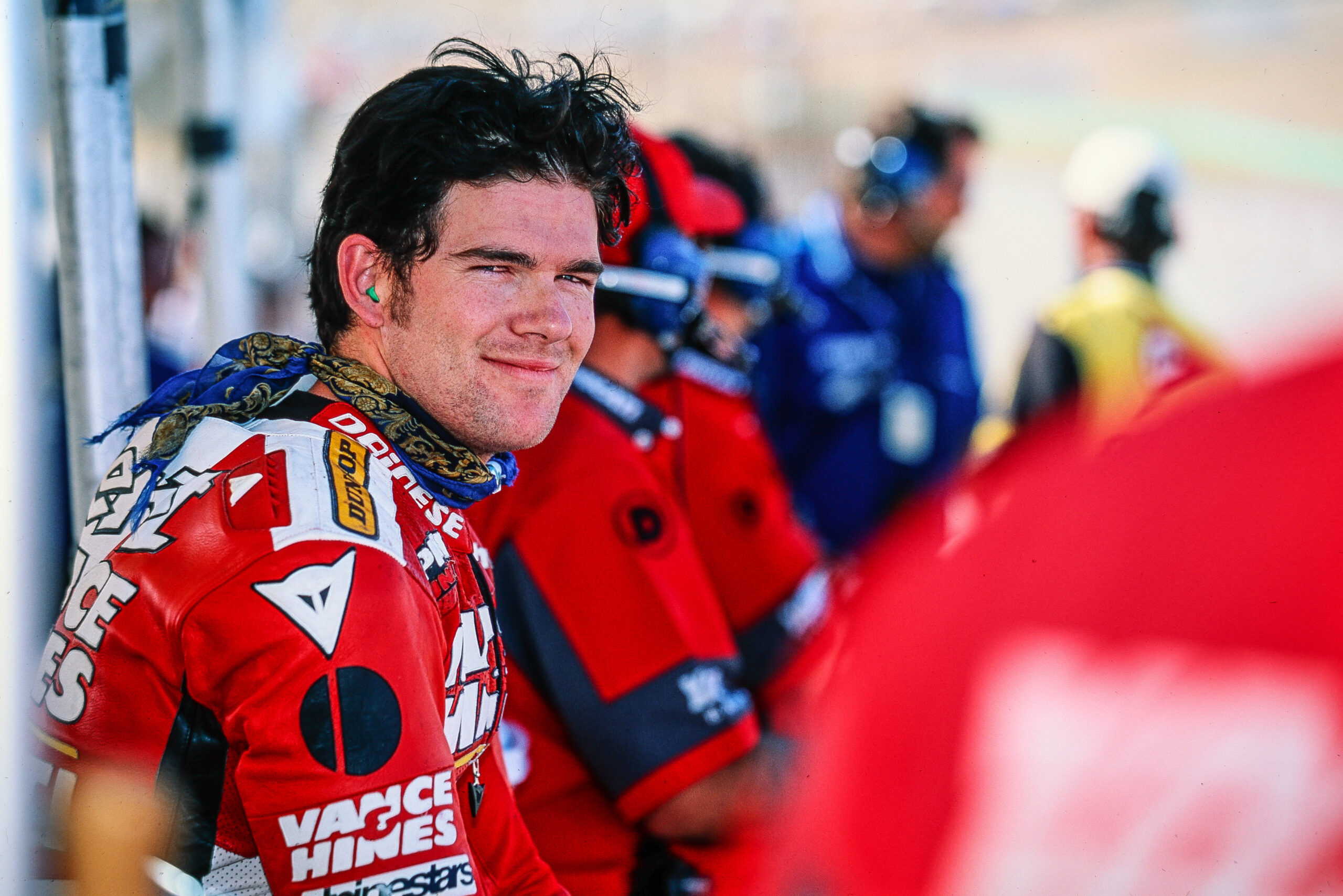
Or it goes like this: What came of that is Anthony Gobert died Wednesday at the age of 48 after a prolonged period in palliative care with failing organs. Details are sparse; that “official” Anthony Gobert Facebook page has nothing to do with the Gobert family and the sobering interviews featured in a handful of promo videos for what looks like a potential documentary are, according to Dean Adams by way of Mark Bracks, from August or September, not more recently. The only hard facts are that he no longer floats among us.
Or no, that’s not right — there are so many more hard facts than that. The stories go like this: There was the rough upbringing in New South Wales. There was the time he got caught driving without a license and admitted in court that he was a heroin addict. There was the time he was unemployed, applying to Subway, and charged with stealing a handbag and robbing a 70-year-old pensioner in a supermarket one day, then arrested again on charges of stealing the purse of a 31-year-old woman the next. There were the evident battles with fitness. There was the bar argument that led to him being chased and beaten up with baseball bats until he was hospitalized, unrecognizable in the ICU. There were prolonged prison sentences. There was his brother Aaron’s GoFundMe to try to get him a lawyer, to get him clean for good, to get him back in something like a semblance of his former self. There are more, probably, that I’m forgetting.
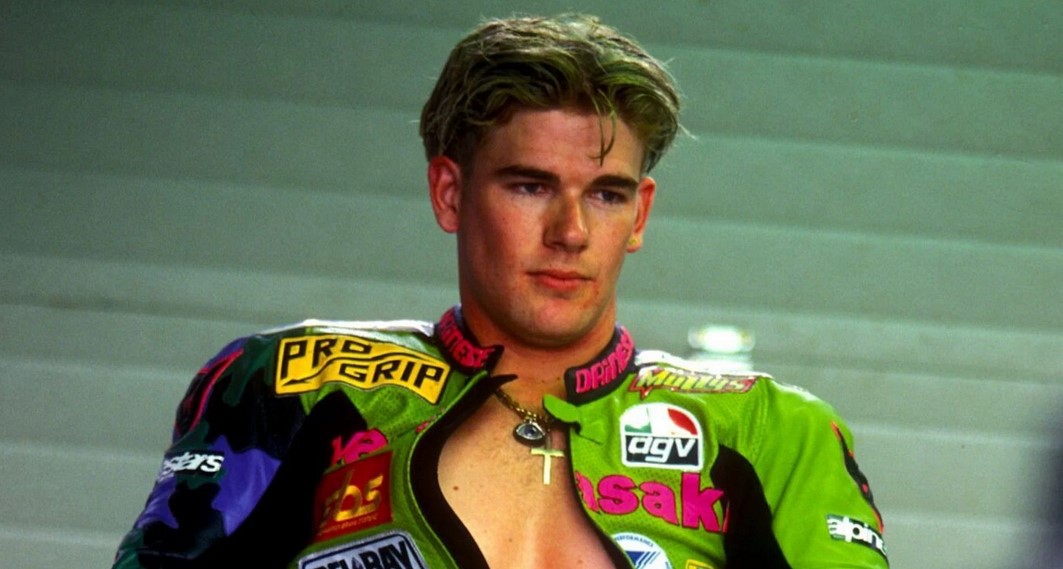
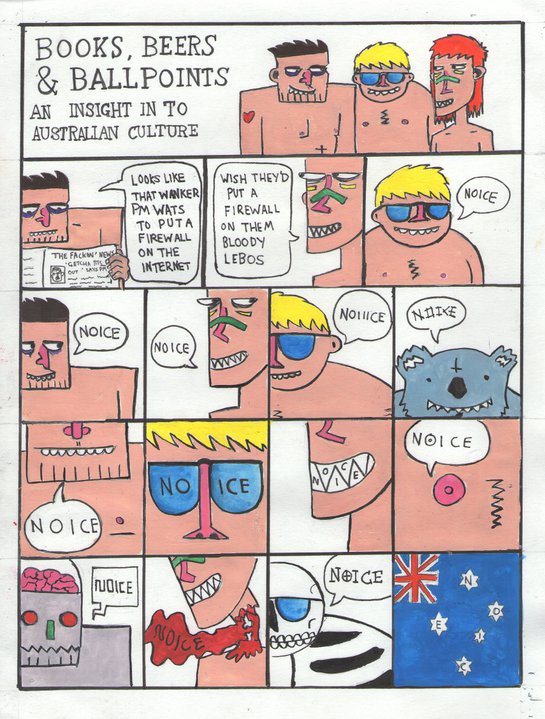
Well, but of course there are more. Too often people throw around the term “legend” to describe roommates who go on beer pong hot streaks or friends who bake Christmas cookies with a modicum of consistency, but Anthony Gobert transcends the term; the guy isn’t just a legend, he’s made of legends, a mythically personable rock star in an era when motorcycle racing was professionalizing and the old outlaw stereotypes were giving way to polished corporate jargonists and their rigid fitness regimens aboard multimillion dollar machinery. Gobert established very quickly and very loudly that he was of the old order, a living embodiment of the “noice” comic before it was drawn, that he didn’t give a fuck about all that, preferring instead to go the Decline of Western Civilization route and flip off Mick Doohan at the height of his powers along the way. Anyone with an interest in bike racing in the waning Wild West era of the mid-1990s has an Anthony Gobert story — even if they’re not willing to share it.
Before Gobert, motorcycling rock stars were a little easier to come by, both successful (Agostini, Sheene, Lucchinelli) and less so (Garriga). After him, the mantle was picked up and carried for some 20 years almost entirely by Valentino Rossi, who does have a Gobert story he’s willing to share that goes exactly how you think it does. Imagine having the fucking balls to flip off Mick Doohan and call him a “loser” during preseason testing when you hadn’t even ridden a 500 in anger yet. Mick went on to win 12 of 15 races in 1997 for his third straight title in one of the statistically best seasons of all time, of course … while Anthony was fired from Suzuki’s factory team midseason for testing positive for marijuana.
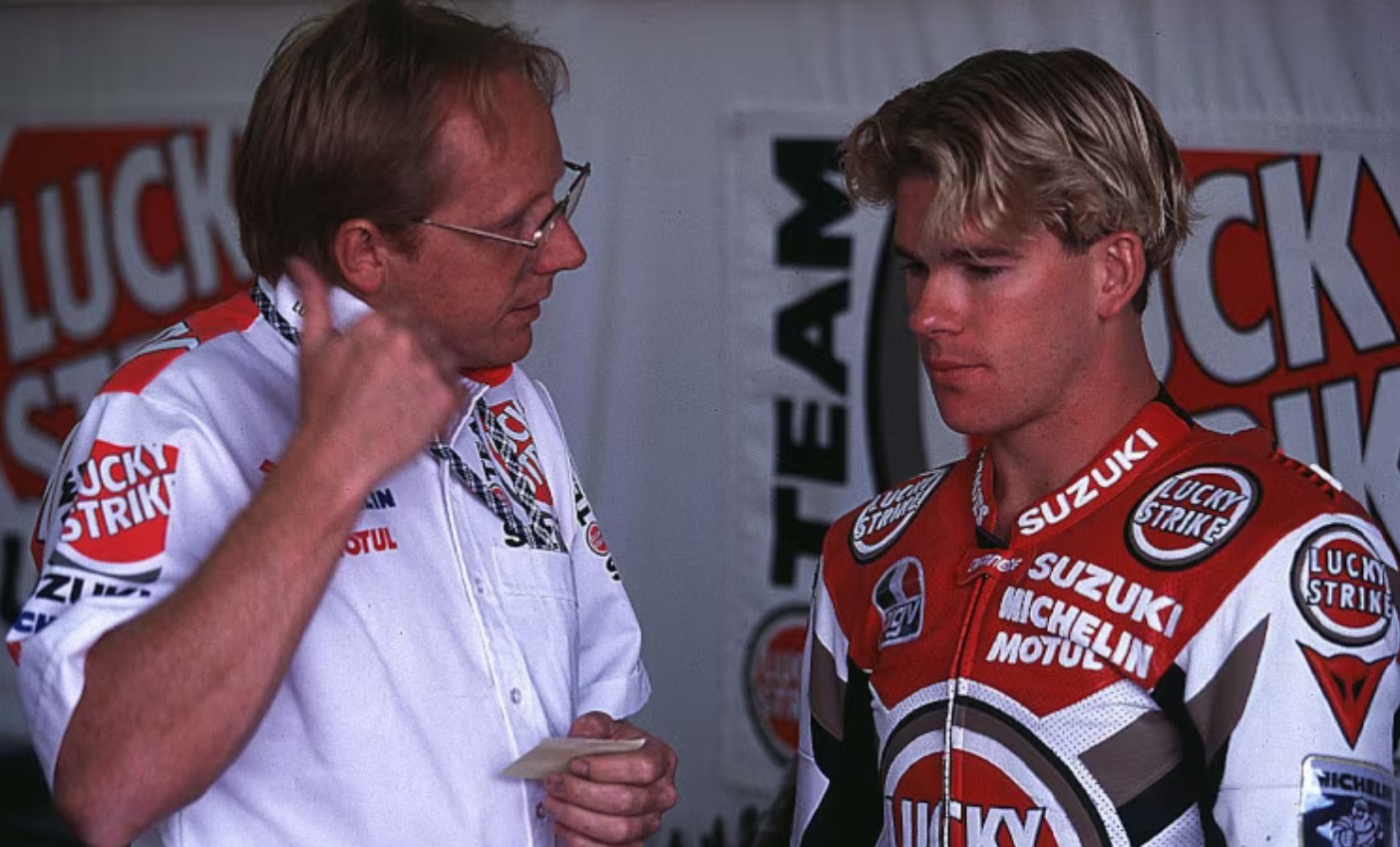
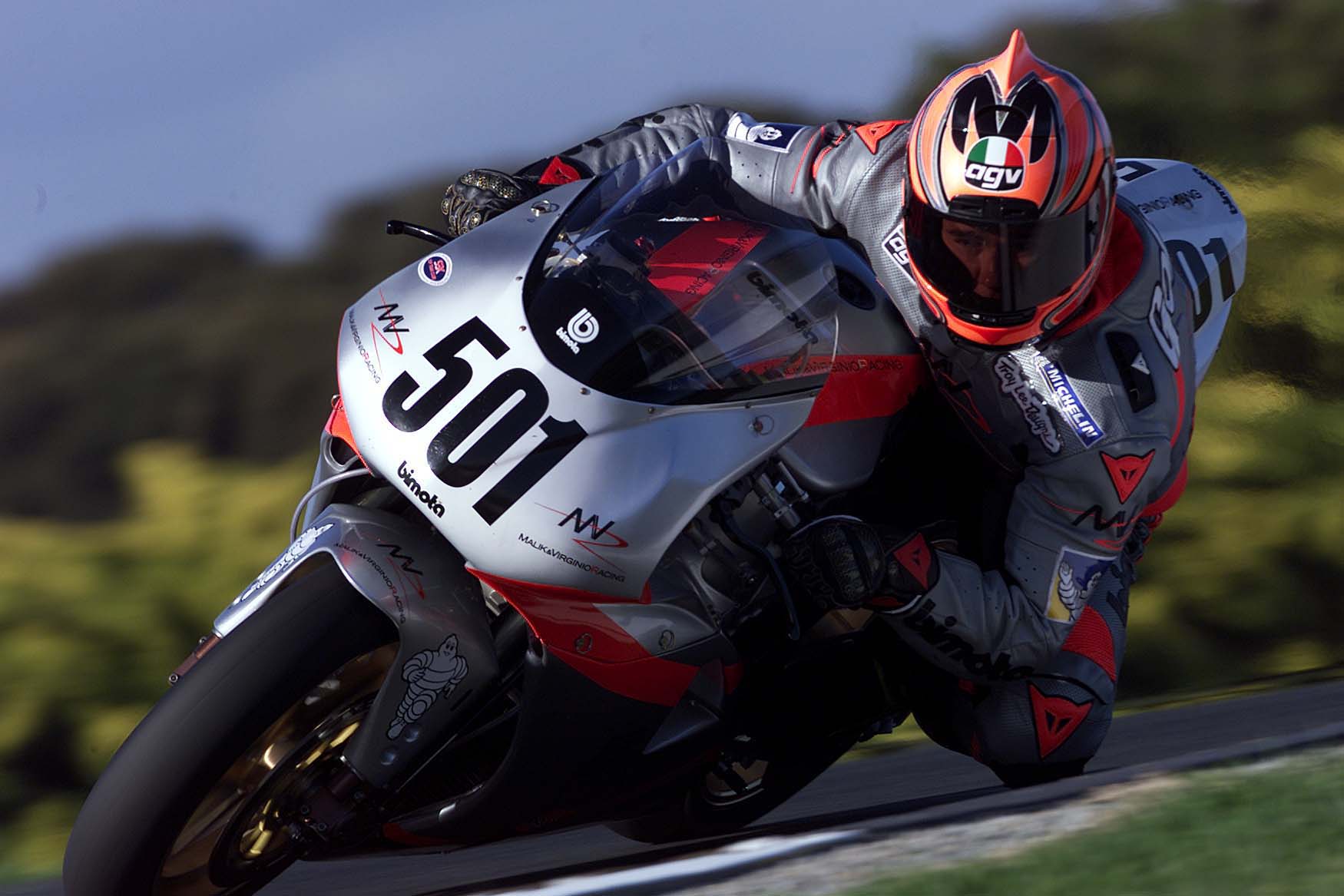
It was like this the whole way with Anthony. Of course there are more “Go Show” stories because there was always more, Gobert was made of more and more was never enough. He had to sign every autograph, had to drink every beer, shoot up every drug, dye his hair every color, ride the fucking wheels off every fucking bike he rode every fucking lap. Ah man, but those stories? They go like this: He waltzed his way to instant immortality by mixing it with Scott Russell and Carl Fogarty, who were literally fighting to decide the 1994 World Superbike Championship in the final round at Phillip Island, as a 19-year-old; after letting Russell by for second in the first race, he walked off with the second in decisive fashion to become, for a little while at least, the youngest ever WSBK winner. Everyone who was there remembers it, just ask them. They remember his return home and another victory to seal fourth overall in the standings in 1995. They remember his magical double after returning from injury in 1996. Following his post-Suzuki exile to the U.S. with Vance & Hines Ducati, they remember his wildcard win out of nowhere at Laguna Seca in 1999. The inimitable Bimota win in the wet at home (again) before the team folded midseason. The improbable competitiveness aboard uncompetitive Yamahas in the AMA. The one-off Modenas ride in which he scored a point despite never having seen the bike before practice.
Then or now, even his most adamant critics couldn’t deny it: He had the divine gift.
The legend, grinning up from the page of an old Motocourse or out from the comparatively grainy TV picture of a Speedvision “Two Wheel Tuesday” broadcast. The legend, shimmering and invisible. The legend, always growing. There’s a poem by Francis Blessington that I read for the first time just Wednesday called “Lighting a Charcoal Grill” (p. 16) that contains the phrase “spouting lariats of heat.” The story goes like this: I didn’t realize I was reading his obituary when I read that poem, but I take it as a small sign that Anthony Gobert’s at peace where he belongs among the heavens because the devil couldn’t handle him and God knows they don’t need charcoal grills in hell.
 Tuesdays With Horry
don’t even know how i stumbled onto this site, but this is some brilliant writing. may the seo gods bless yall